Regional Food Habits
Published February 2026
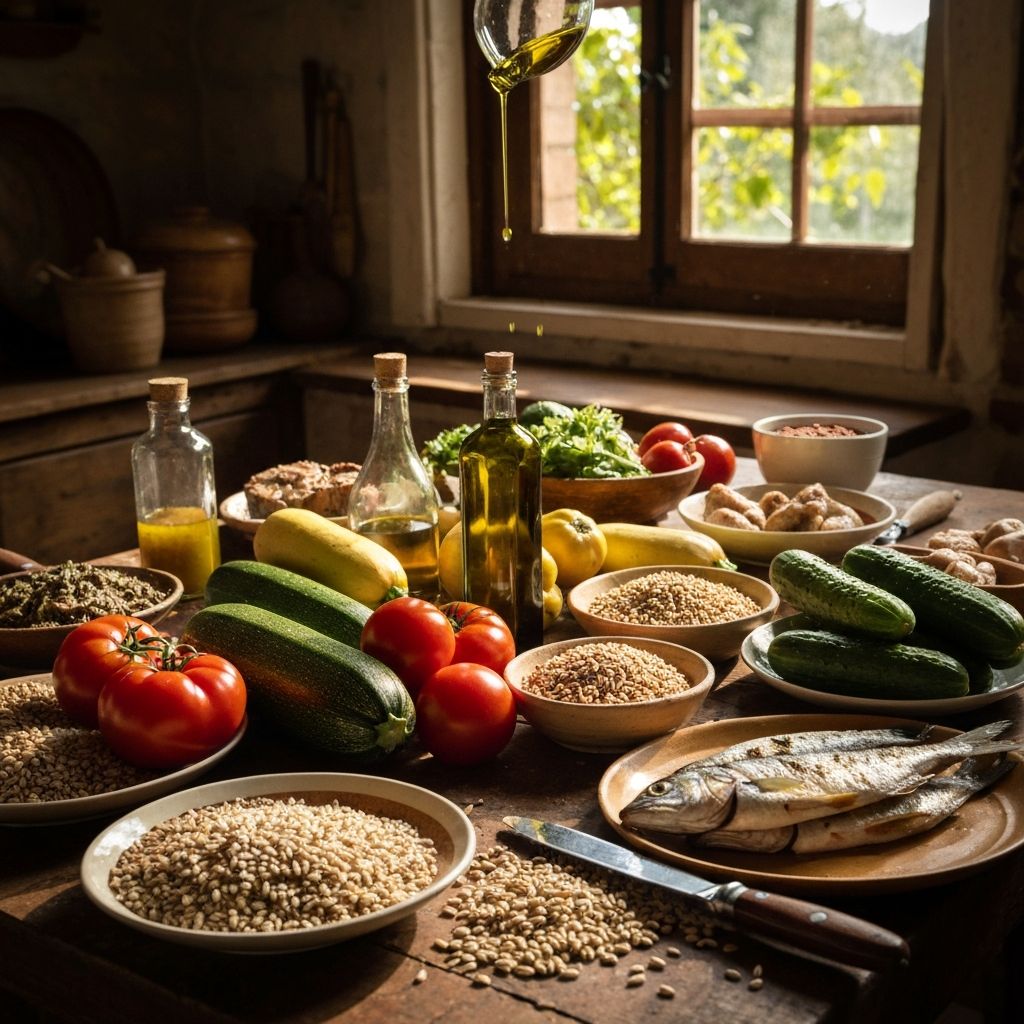
Geographic Influences on Eating Patterns
Regional food habits develop in response to local geographic conditions, available resources, and climate patterns. Communities historically adapted their eating practices to the foods that could be grown, hunted, or gathered in their specific environments.
Coastal regions often developed traditions centered on fish and seafood, while inland agricultural areas emphasized grains, vegetables, and domesticated animals. Mountain communities adapted to shorter growing seasons and limited arable land, developing preservation techniques and hardy crop varieties.
Climate and Seasonal Variation
Climate significantly influences the types of foods available and the timing of meals. Tropical regions with year-round growing seasons developed different patterns than temperate zones with distinct seasonal changes.
In areas with harsh winters, preservation techniques such as fermentation, drying, and salting became central to food traditions. These methods allowed communities to maintain varied diets throughout seasons when fresh foods were unavailable.
Hot climates influenced eating schedules, with many cultures in warm regions traditionally consuming larger meals during cooler parts of the day and lighter foods during peak heat hours.
Agricultural Foundations
The crops that can be successfully cultivated in a region fundamentally shape eating patterns. Rice-growing regions developed distinct food cultures from wheat-growing areas, while regions suitable for maize cultivation developed yet another set of traditions.
These staple crops influenced not only what people ate but also agricultural calendars, labor patterns, preparation methods, and associated cultural practices. Festivals and social gatherings often aligned with planting and harvest cycles.
Trade and Exchange
While geography initially shaped regional food habits, trade routes historically introduced new ingredients and preparation methods. Coastal trading centers and crossroads communities often developed more diverse food traditions than isolated regions.
The exchange of crops, spices, and culinary techniques along trade routes led to adaptations and innovations in regional cuisines. However, imported foods were typically incorporated into existing cultural frameworks rather than replacing traditional patterns entirely.
Water Resources
Access to water sources influenced both what foods could be produced and how they were prepared. Regions with abundant fresh water developed different traditions than arid areas where water conservation was essential.
Cooking methods reflected water availability. Steaming, boiling, and soup-based dishes predominated in areas with plentiful water, while roasting and dry-cooking methods were more common in water-scarce regions.
Regional Diversity Within Cultures
Significant variation exists within cultural groups based on regional geography. Northern and southern regions of the same country may have markedly different food traditions due to climate and agricultural differences.
Coastal and interior populations within a single cultural group often developed distinct eating patterns. Urban and rural areas also showed variation based on access to diverse food sources versus dependence on local production.
Modern Contexts
Contemporary food distribution systems have reduced the direct influence of local geography on food availability. However, traditional regional patterns persist in many areas, reflecting cultural continuity rather than geographic necessity.
Many communities maintain regional food traditions as expressions of cultural identity and connection to place, even when the original geographic constraints no longer apply.
Limitations and Context
This article provides educational information about regional food patterns. It does not constitute advice or recommendations for individual dietary choices.
The content describes general patterns across regions and should not be interpreted as prescriptive guidance. Individual eating habits vary significantly within any region.
This information does not replace consultation with qualified professionals for personal dietary or health decisions.