Cultural Influences on Lifestyle
Published February 2026
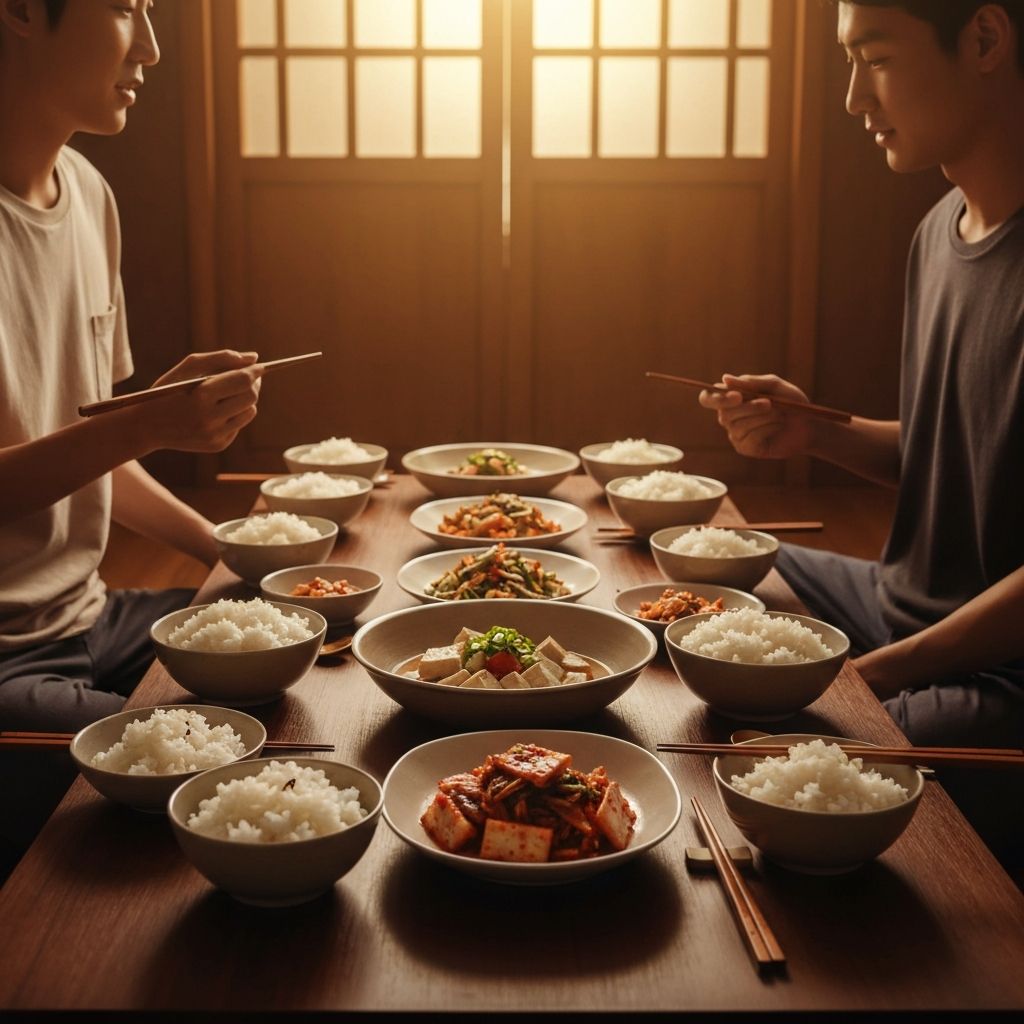
Food as Cultural Expression
Food traditions serve as expressions of cultural identity and values. The ways communities prepare, share, and consume food reflect broader cultural priorities regarding family, community, time, and social relationships.
These practices extend beyond the food itself to encompass social rituals, communication patterns, and expressions of hospitality. Eating is rarely a purely functional activity but carries significant cultural meaning.
Daily Structure and Meal Timing
Cultural food traditions influence how societies structure their days. Some cultures organize daily schedules around a substantial midday meal, affecting work hours, school schedules, and afternoon rest periods.
Other cultures emphasize evening meals as primary family gathering times, influencing when people finish work and how they spend late afternoons. Breakfast traditions vary from substantial morning meals to light or minimal eating in the early day.
These patterns reflect cultural values about productivity, family time, and the role of meals in social life. They represent integrated systems rather than arbitrary choices about meal timing.
Social Connections and Community
Shared meals serve important social functions across cultures, though the specific forms vary. Some cultures emphasize extended family gatherings, while others focus on immediate family units or broader community meals.
Food preparation and consumption provide structured opportunities for social interaction, relationship maintenance, and community bonding. These practices help transmit cultural values and strengthen social ties.
The rituals surrounding food sharing, from formal dining etiquette to casual communal eating, encode cultural expectations about social relationships and appropriate behavior.
Religious and Philosophical Influences
Many food traditions reflect religious or philosophical frameworks. Dietary restrictions, fasting practices, feast day traditions, and food blessing rituals express spiritual or philosophical beliefs.
These practices integrate eating with broader systems of meaning and values. They connect daily activities to larger cultural narratives about morality, spirituality, or philosophy.
Even in increasingly secular societies, historically religious food traditions often persist as cultural practices, maintaining their social functions while sometimes losing their original religious meanings.
Gender Roles and Labor Distribution
Food preparation and provision have historically been associated with specific gender roles in many cultures. These associations influence household labor distribution, professional opportunities, and social expectations.
Cultural changes in gender roles often intersect with changes in food preparation patterns. Shifts toward more equal labor distribution frequently involve renegotiating traditional food-related responsibilities.
Contemporary variations in these patterns reflect ongoing cultural negotiations about gender, work, and family responsibilities.
Hospitality and Social Obligations
Food sharing carries different social meanings across cultures. Some cultures emphasize elaborate hospitality rituals, while others have more casual approaches to sharing meals with guests.
These practices reflect cultural values about generosity, social obligations, and appropriate host-guest relationships. The foods offered to guests, preparation methods, and serving rituals communicate respect and social status.
Understanding these hospitality traditions provides insight into broader cultural values about community, reciprocity, and social relationships.
Activity Patterns and Physical Movement
Cultural eating patterns relate to activity patterns and physical movement traditions. Societies with physically demanding traditional livelihoods developed different eating patterns than those with more sedentary historical occupations.
Meal timing and composition often reflected energy needs throughout the day. Cultures with agricultural traditions timed meals around labor-intensive periods, while urban trading cultures developed different patterns.
Modern changes in physical activity patterns have sometimes occurred more rapidly than changes in traditional eating patterns, creating mismatches between cultural food traditions and contemporary activity levels.
Celebration and Ritual
Special occasion foods and celebratory eating rituals mark important life events and cultural milestones. Birth celebrations, coming-of-age ceremonies, weddings, and memorial practices often include specific food traditions.
These ritual foods carry symbolic meanings and connect individuals to cultural continuity and community identity. They provide tangible links to cultural heritage and shared history.
Limitations and Context
This article provides educational information about cultural influences on lifestyle. It does not constitute advice or recommendations for individual choices.
The content describes general cultural patterns and should not be interpreted as prescriptive guidance. Individual practices vary significantly within any culture.
This information does not replace consultation with qualified professionals for personal lifestyle or health decisions.